


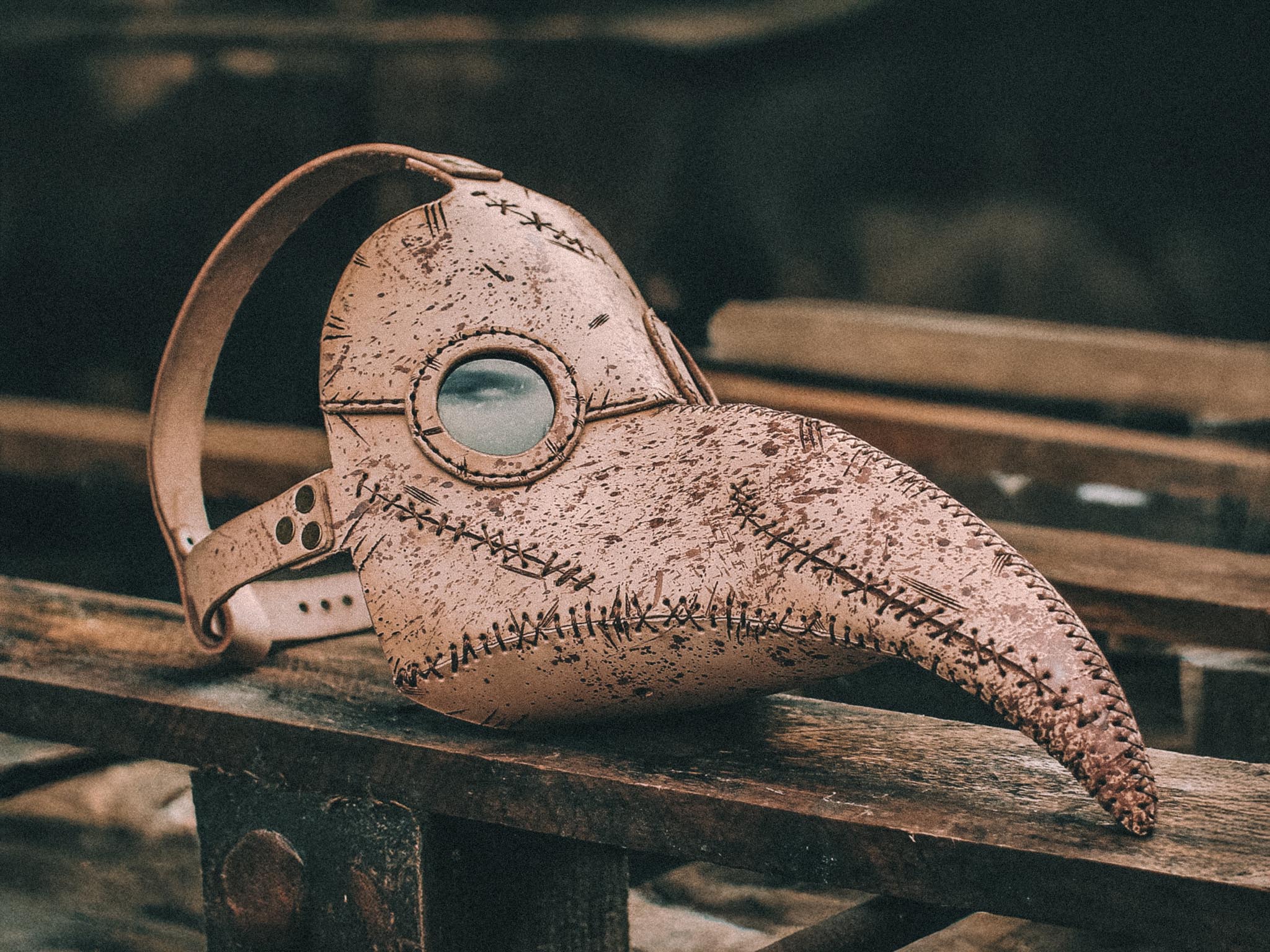


We are so confident in the quality of our masks that we offer a lifetime guarantee.
Every mask created in our workshop is the result of meticulous craftsmanship, the use of the finest materials, and modern technology. We take pride in our creations and are committed to supporting them for a lifetime.
The guarantee does not cover damage caused by improper care or mechanical impact (e.g., tears or scratches due to careless handling).
We offer worldwide shipping to most countries. If you're unsure whether we ship to your location, feel free to contact us.
How long does shipping take?
 Add text engravingSecure paymentsDelivery takes 10–15 daysFree shipping on orders of 2+ items30-days returnFree replacement for delivery issues100-year warranty