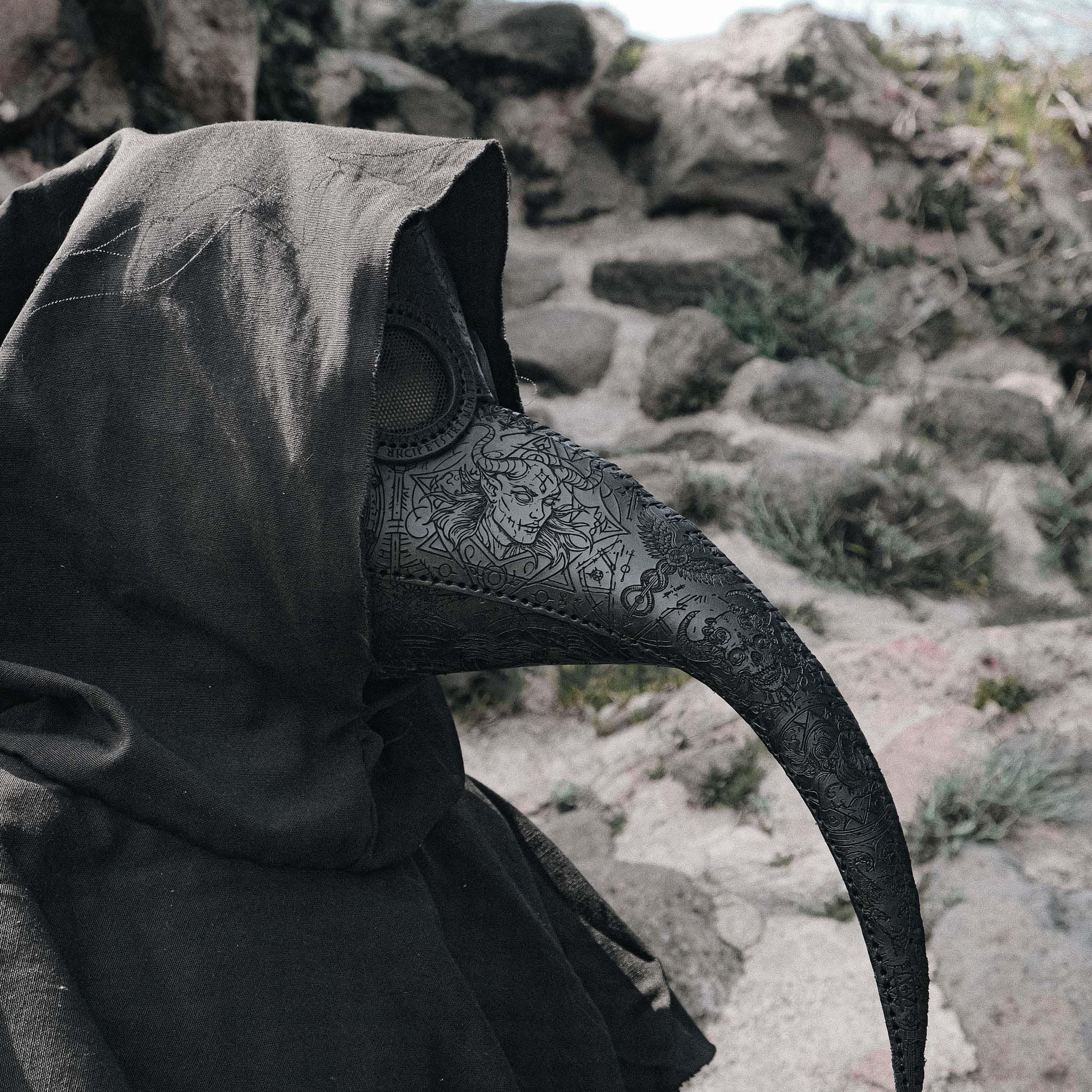
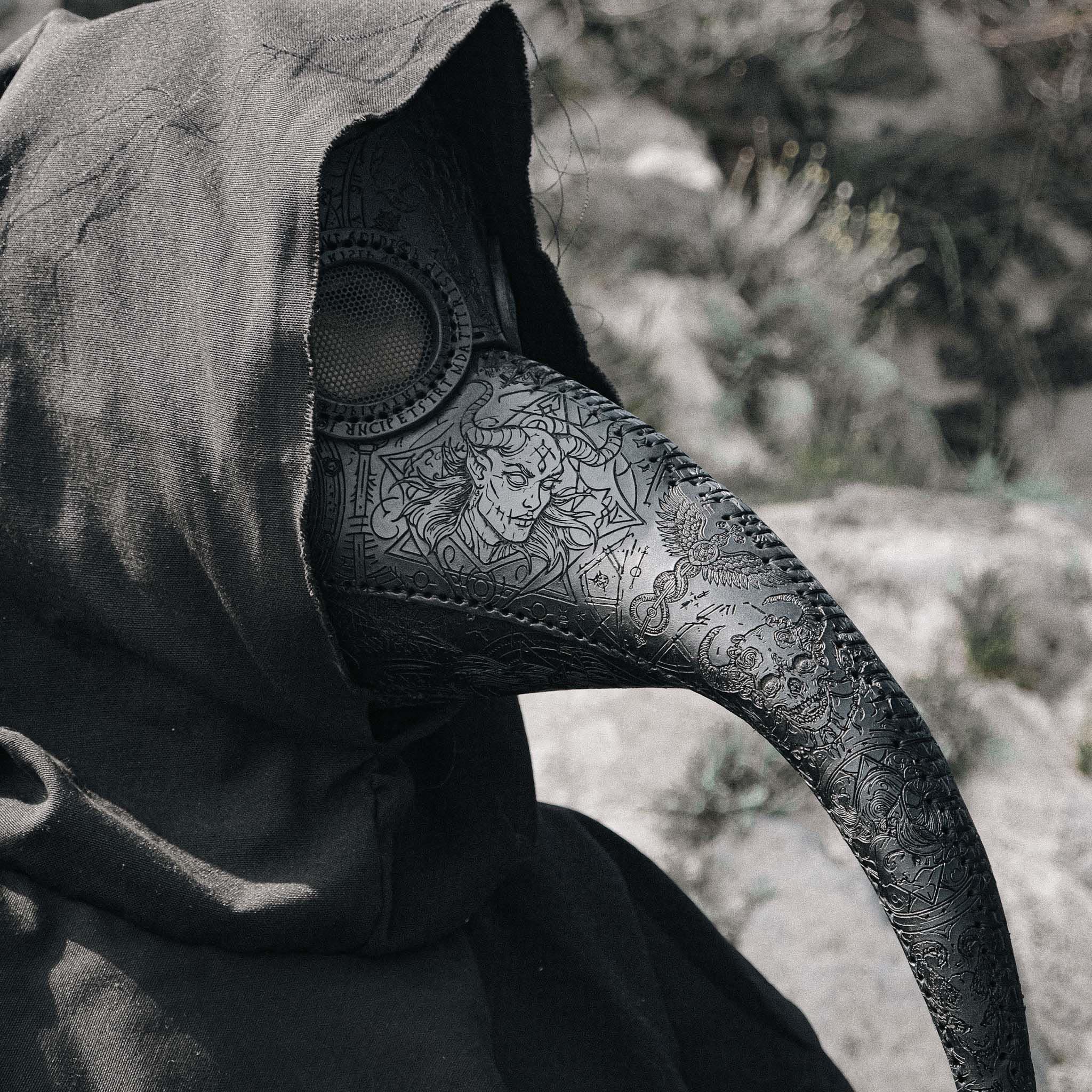
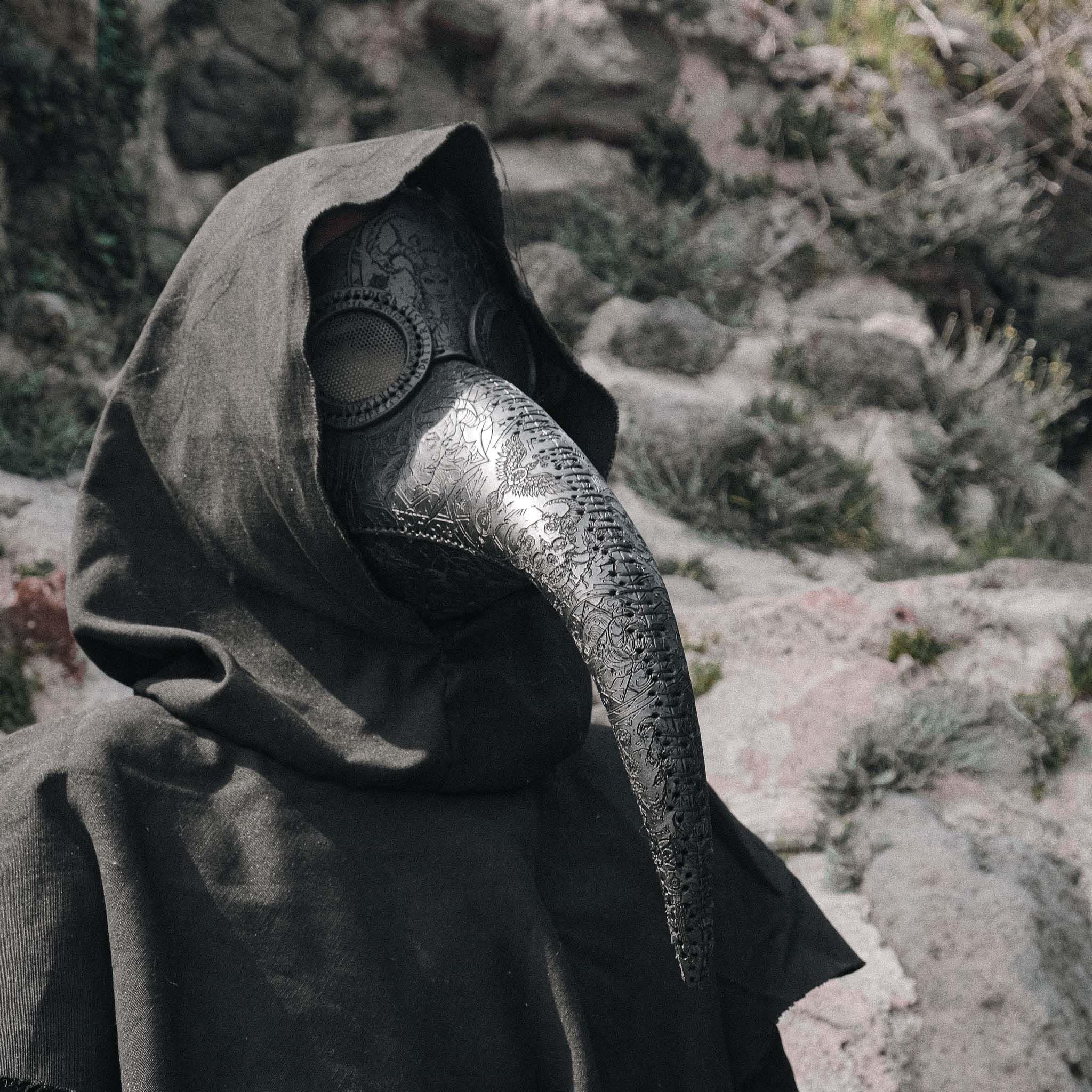
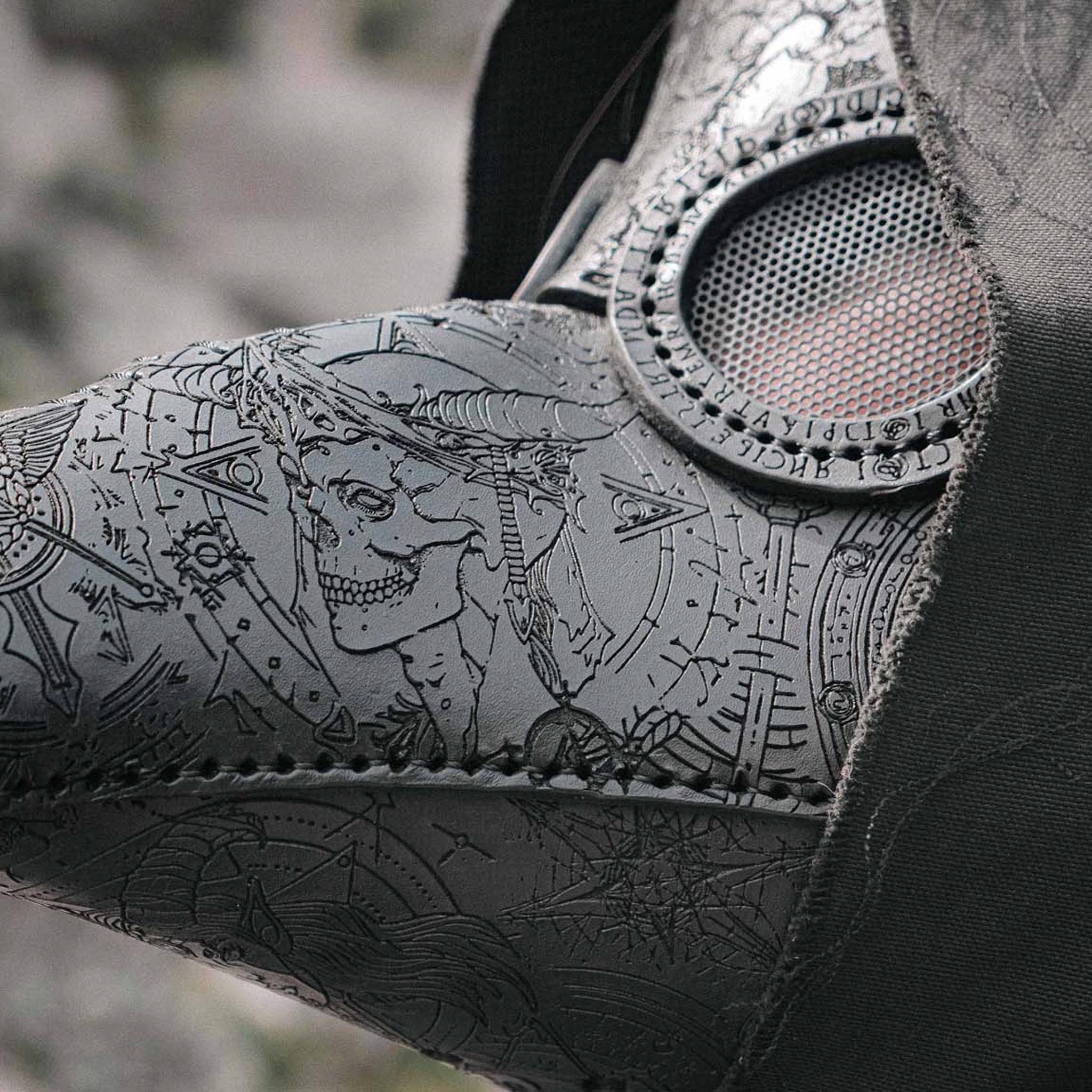
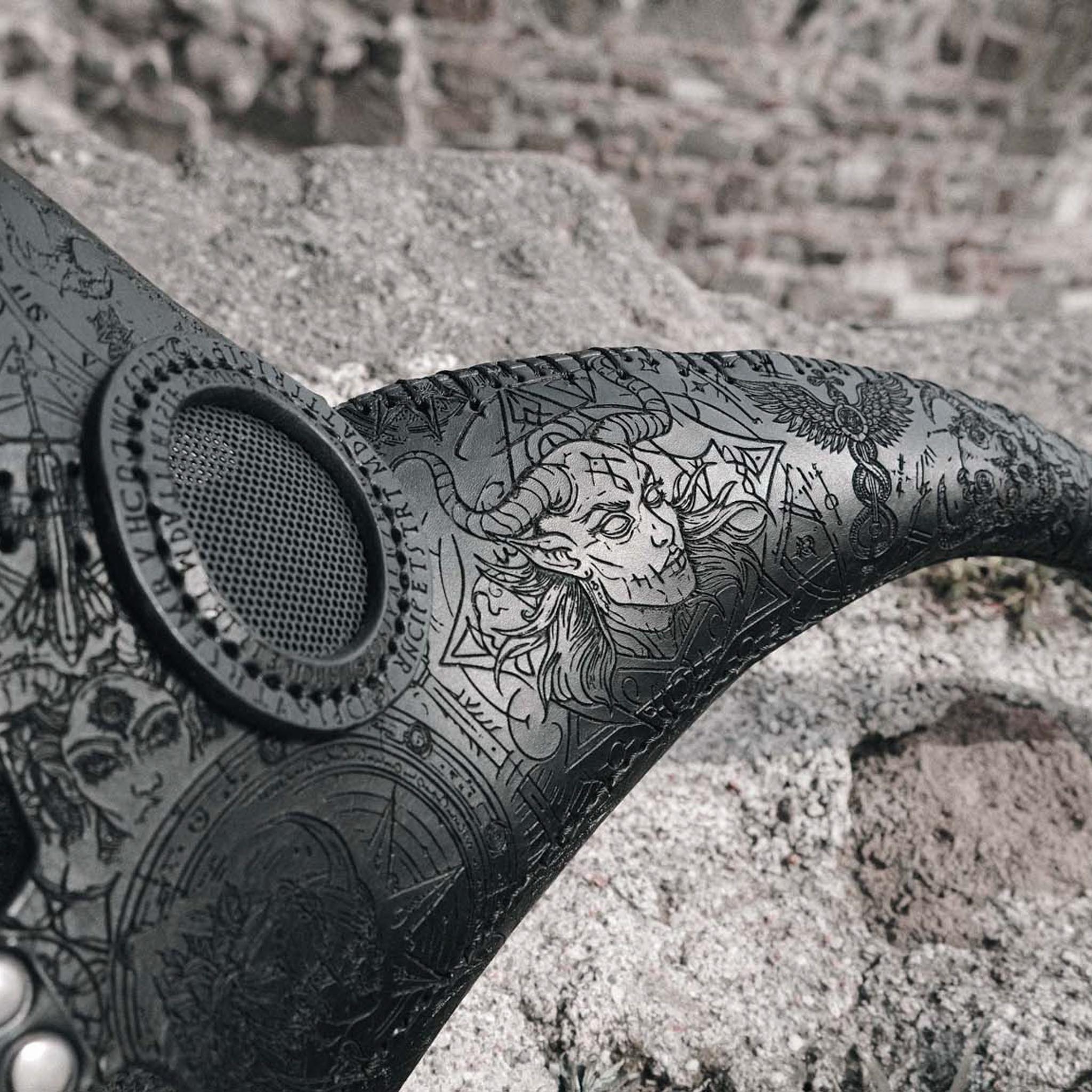
The engraving combines three layers of meaning: portraits of women in demonic form, occult symbolism, and elements related to medieval medical concepts. These images are not decorative. Each one is part of a visual structure that reflects historical attitudes toward women who stepped outside accepted social roles.
The demonic faces represent a cultural system in which strength, independence, and knowledge were treated as signs of danger. These portraits are not individual but typological - representations shaped by features that made exclusion or persecution possible. In this context, demonization became a tool of control. Fear was embedded in visual codes.
Occult symbols connect to this logic as a way of marking affiliation with what was considered hidden or forbidden. In late medieval culture, such signs were often used to identify unwanted practices or beliefs. Their presence in the engraving points to the way visual language functioned as a method of accusation.
Motifs linked to the medical understanding of the period add another layer. Women involved in healing occupied an unstable position. Their work could be seen as helpful, but under certain conditions, it became suspect. The line between treatment and criminal suspicion remained vague. These references in the engraving register that ambiguity.
Together, these three layers form a coherent visual statement. It is grounded in specific cultural mechanisms that shaped the image of women as subjects of surveillance and judgment. The mask does not interpret - it records, through visual means, how fear, knowledge, and authority were intertwined in historical reality.

 Add text engraving